
Commercial License in Dubai: Complete Guide to Trading Activities, Costs & Setup Process
Essential information for entrepreneurs planning to trade goods in Dubai - from license types and activity selection to banking requirements and cost breakdowns
About the figures on this page. Amounts in AED are indicative ranges for planning, not quotes. Government and free zone fees differ by activity, emirate, number of visas and date, and they change. Confirm current fees with the relevant authority or get a written quote before you pay. Free zone and provider prices are market estimates rather than official tariffs. Timelines are indicative and depend on the authority, the activity and how complete your documents are.
If your business involves buying, selling, importing, exporting, distributing, or trading goods, you need a Commercial License in Dubai. This comprehensive guide explains everything entrepreneurs need to know about obtaining and maintaining a commercial license in Dubai, including activity selection, cost structures, banking requirements, and common mistakes to avoid.
⚠️ Critical: Many Entrepreneurs Make Costly Mistakes
Without proper guidance, business owners often face:
- Wrong license type selection leading to operational restrictions
- Blocked bank accounts due to insufficient documentation
- Customs clearance issues affecting import/export operations
- Limited visa quotas hindering business growth
- Compliance problems during annual renewal
A Commercial License is mandatory for any physical or digital trading activity in Dubai Mainland.
What Is a Commercial License in Dubai?
A Commercial License is issued by the Dubai Department of Economy & Tourism (DET) and authorizes companies to legally conduct trading and commercial activities within Dubai and across the UAE.
Covered Business Activities
Trading Operations
- Wholesale distribution
- Retail sales
- General trading
Import & Export
- International trading
- Product importation
- Re-export operations
E-Commerce Trading
- Online retail stores
- Digital product sales
- Marketplace operations
Storage & Logistics
- Warehousing services
- Distribution centers
- Inventory management
How Commercial Licenses Differ From Other License Types
Professional License: For service-based businesses, consultancy, and expertise-driven activities
Industrial License: For manufacturing, production, and processing operations
Commercial License: For buying, selling, and trading physical goods
Who Needs a Commercial License in Dubai?
Understanding whether your business requires a commercial license is crucial for legal compliance and operational success. The determining factor is simple: if money comes from selling goods rather than providing services, you need a commercial license.
You Need a Commercial License If You Plan To:
You Should NOT Choose a Commercial License If:
💡 Important Note
Service providers should opt for a Professional License instead. Choosing the wrong license type can lead to operational restrictions, banking difficulties, and compliance issues that may require costly restructuring later.
Common Activities Under a Commercial License
Dubai's Department of Economy & Tourism (DET) offers over 100 different commercial activity codes. Here are the most popular categories and specific activities that entrepreneurs typically register:
Trading Activities
- General Trading
- Electronics Trading
- Foodstuff Trading
- Garments & Textile Trading
- Perfume & Cosmetics Trading
- Building Materials Trading
- Auto Spare Parts Trading
- Furniture Trading
Retail Activities
- Supermarket Operations
- Retail Shops & Showrooms
- Online Retail (E-commerce)
- Specialty Stores
- Department Stores
- Pop-up Retail Spaces
Import & Export
- Import & Export of Goods
- Re-export Operations
- International Trading
- Cross-border Commerce
- Transit Trade
Distribution & Logistics
- Distribution Services
- Warehousing (with approvals)
- Supply Chain Management
- Inventory Storage
- Logistics Coordination
General Trading vs Specific Trading License
One of the most important decisions when obtaining a commercial license is choosing between a General Trading License and a Specific Trading License. This choice significantly impacts your business flexibility, costs, and future growth potential.

General Trading License
Allows trading of multiple unrelated product categories simultaneously
Advantages:
- Maximum flexibility across product categories
- Future-proof for business expansion
- No restrictions on adding new products
- Better for scaling and diversification
- Stronger positioning for B2B partnerships
Considerations:
- Higher initial licensing cost
- More stringent banking requirements
- May require larger office space
Example Trading Categories:
Electronics, garments, cosmetics, accessories, home goods, food products, building materials
Specific Trading License
Allows trading of one specific category only
Advantages:
- Lower initial setup cost
- Simpler banking requirements
- Suitable for focused businesses
- Easier compliance management
- Potentially smaller office requirement
Limitations:
- Restricted to one product category
- Requires license amendment for expansion
- Less flexibility for business growth
- May limit supplier relationships
Example Categories:
"Perfume Trading Only", "Electronics Trading Only", "Textile Trading Only"
🎯 Expert Consultant Recommendation
If you plan to expand your product range in the future → choose General Trading from day one.
While the initial cost is higher, a General Trading License saves significant time, money, and administrative effort compared to amending your license later. It also positions your business more favorably with banks, suppliers, and potential partners.
Mainland Commercial License vs Free Zone Commercial License
Understanding the differences between Mainland and Free Zone commercial licenses is critical for choosing the right jurisdiction for your trading business. Each offers distinct advantages depending on your target market, business model, and operational requirements.
Mainland Commercial License
Issued by the Department of Economy & Tourism (DET)
Key Advantages:
- Trade anywhere in the UAE without restrictions
- Deal directly with UAE customers and businesses
- Access government contracts and tenders
- Easier local distribution and retail operations
- Higher credibility for B2B trading
- No distributor required for mainland sales
- 100% foreign ownership (most activities)
Best For:
- Local UAE market trading
- Retail operations
- B2B distribution
- Government suppliers
- Wholesale operations
Free Zone Commercial License
Issued by specific Free Zone authorities (DMCC, JAFZA, etc.)
Key Advantages:
- 100% foreign ownership (for most activities)
- Lower setup costs compared to Mainland
- Tax efficiency and exemptions
- Simplified import/export procedures
- No currency restrictions
- Easy profit repatriation
Limitations:
- Cannot trade directly in UAE mainland
- Requires local distributor for mainland sales
- Customs limitations for local trading
- Restricted market access
Best For:
- Import/export focus
- International trading
- E-commerce only businesses
- Regional hub operations
🎯 Decision Framework
Choose Mainland Commercial License if: You want to sell directly to UAE customers, operate retail stores, or distribute products throughout the UAE market.
Choose Free Zone Commercial License if: Your business focuses primarily on import/export, international trading, or e-commerce without physical UAE customer interaction.
Legal Structure for a Commercial License
Selecting the appropriate legal structure is fundamental to your commercial license application and impacts ownership, liability, compliance requirements, and operational flexibility.
Limited Liability Company (LLC)
The recommended and most common legal structure for commercial trading businesses in Dubai
Key Features:
- 1 or more shareholders permitted
- 100% foreign ownership allowed for most commercial activities
- Limited liability protection for shareholders
- Flexible management structure
- Suitable for all sizes of trading businesses
- Banks assess each applicant individually
- Easier visa allocation compared to other structures
Why LLC is Best for Trading:
- Banks prefer LLC structure for commercial accounts
- Greater credibility with suppliers and customers
- Easier to scale and bring in partners
- Better protection from business liabilities
- More professional corporate image
⚠️ Important: Avoid Sole Establishment for Trading
While Sole Establishment (also called Sole Proprietorship) is cheaper, it is not suitable for commercial trading businesses due to:
- Banking difficulties - most banks reject Sole Establishments for trading accounts
- Unlimited personal liability for business debts
- Limited credibility with suppliers and customers
- Difficulty obtaining commercial credit lines
- Cannot bring in partners or investors later
Commercial License Cost in Dubai
Understanding the complete cost structure is essential for accurate budgeting. The total cost of obtaining a commercial license in Dubai varies based on activity type, office size, and specific requirements.
Typical Cost Breakdown
💰 Important Cost Considerations
Office rent is typically the largest variable expense. The cost shown above (AED 12,000 - 20,000) excludes office rent, which can range from AED 15,000 annually for a small office to AED 150,000+ for larger commercial spaces or warehouses.
Annual renewal costs: AED 10,000 - 15,000 per year (requires valid Ejari and no external approvals usually needed)
⚠️ Hidden Costs to Plan For
- Bank account opening: While technically free, may require minimum deposit (AED 25,000 - 100,000)
- External approvals: Some activities require Dubai Municipality, DHA, or Civil Defense approvals (AED 2,000 - 10,000)
- Employee visas: AED 3,000 - 5,000 per visa
- Professional service fees: If using consultants, add AED 5,000 - 15,000
Office Requirements for Commercial License
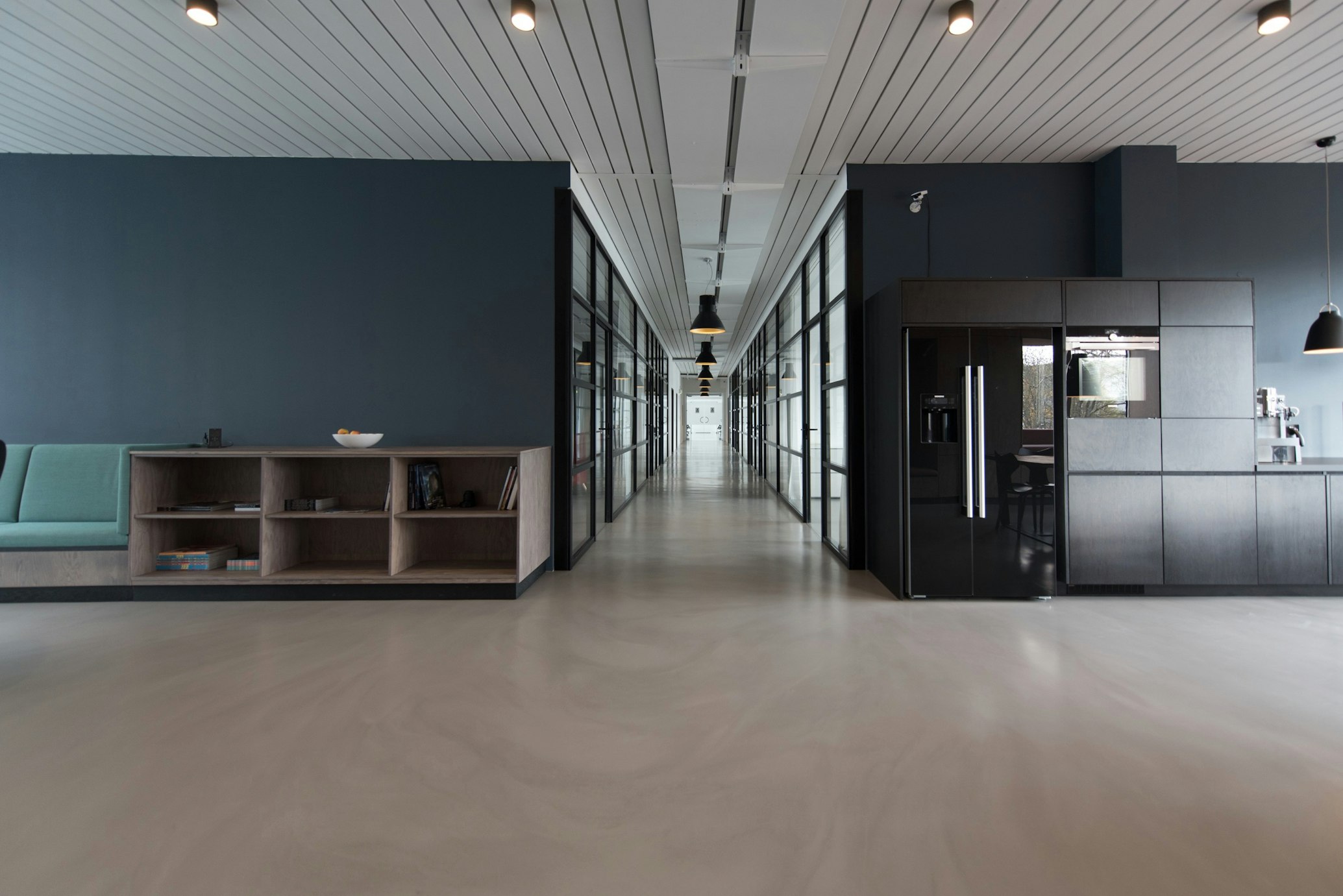
Commercial licenses in Dubai Mainland require physical office space - this is a mandatory requirement that cannot be bypassed. The type and size of office you choose significantly impacts your visa quota, compliance status, and business operations.
Accepted Office Types
Traditional Office
- Standard commercial office space
- Suitable for administrative operations
- Typically 200-500 sq ft minimum
- Most common choice
Shop/Retail Space
- For businesses with retail operations
- Ground floor or mall locations
- Required for retail licenses
- Higher rental costs
Warehouse
- For storage-heavy operations
- Import/export businesses
- Allows higher visa allocation
- Requires Civil Defense approval
Showroom
- For display and sales
- Furniture, cars, electronics
- Prominent locations required
- Premium rental rates
❌ Flexi Desks Are NOT Acceptable
Unlike professional licenses, mainland commercial licenses usually do not accept flexi desks or coworking spaces as valid office addresses. The Department of Economy & Tourism requires:
- Dedicated physical space with a proper Ejari contract
- Space appropriate for the business activity
- Address that can accommodate potential inspections
How Office Size Affects Your Business
Visa Quota: Larger offices allow more employment visas - typically 1 visa per 100-120 sq ft
Compliance: Office must match declared business activity (e.g., warehouse for storage activities)
Inspections: DET may conduct site visits to verify operations match the license
Banking: Banks often request office photos and may conduct their own verification
Visa Eligibility With a Commercial License
Commercial licenses offer significant visa allocation for employment and dependents, but the exact number depends on multiple factors related to your business premises and activity type.
Visa Allocation Factors
Office Size Impact
The primary determining factor for visa quota
- Small Office (200-300 sq ft): 2-3 employment visas
- Medium Office (400-600 sq ft): 5-10 employment visas
- Large Office/Warehouse (1000+ sq ft): 20+ employment visas
Activity Type Impact
Certain activities allow higher allocations
- General Trading: Standard allocation based on space
- Retail Operations: Higher allocation for customer-facing roles
- Warehouse/Distribution: Increased quota for operational staff
Typical Visa Requirements for Trading Businesses
Administrative Staff
- Office managers
- Accountants
- Sales coordinators
- Customer service
Operations Personnel
- Warehouse workers
- Inventory managers
- Quality controllers
- Logistics coordinators
Delivery & Transport
- Delivery drivers
- Fleet managers
- Dispatch coordinators
- Loading personnel
Sales & Marketing
- Sales representatives
- Business development
- Marketing managers
- Client relations
💡 Strategic Visa Planning
Plan your office size according to your 2-year staffing projections, not just immediate needs. Upgrading to a larger office later is expensive and administratively complex.
Trading businesses typically grow their workforce faster than service businesses, so allocating sufficient visa quota from the start prevents operational bottlenecks.
Bank Account Considerations for Commercial License
Opening a corporate bank account is one of the most critical - and often most challenging - steps for commercial license holders. Banks apply significantly higher scrutiny to trading businesses due to anti-money laundering regulations and transaction complexity.
⚠️ Critical: Commercial License Holders Face Higher Banking Scrutiny
Unlike professional service companies, trading businesses involve:
- High transaction volumes and values
- Multiple international suppliers and customers
- Cross-border payments and foreign currency
- Import/export documentation requirements
- Customs clearance and duty payments
Banks require comprehensive documentation to verify the legitimacy and sustainability of your trading operations.
Required Banking Documents
Best Banks for Commercial Licenses
Emirates NBD
- Strong trade finance services
- Established SME support
- Wide international network
- Comprehensive digital banking
ADCB (Abu Dhabi Commercial Bank)
- Excellent for trading businesses
- Competitive fees
- Strong import/export support
- Good customer service
FAB (First Abu Dhabi Bank)
- Largest bank in UAE
- Strong international presence
- Trade-focused licence
- Higher minimum requirements
RAKBANK
- SME-friendly approach
- Reasonable requirements
- Faster account opening
- Good digital platform
Wio Bank
- Digital-first bank
- Ideal for initial stage
- Fast account opening
- Lower requirements
🎯 Banking Strategy Recommendations
Start with realistic expectations: Prepare comprehensive documentation before approaching banks. Rejections are common and can affect future applications.
Consider a two-stage approach: Open an initial account with a digital bank like Wio for early operations, then upgrade to a traditional bank once you have established transaction history and revenue.
Declare appropriate share capital: While minimum capital for most activities is AED 1,000, banks view companies with AED 50,000-100,000+ capital more favorably for trading operations.
External Approvals - Activity Dependent Requirements
Many commercial activities require additional approvals from government authorities beyond the standard license from the Department of Economy & Tourism. Failing to obtain these approvals can result in license rejection, operational delays, or compliance penalties.
| Trading Activity | Required Authority | Typical Timeline |
|---|---|---|
| Food & Foodstuff Trading | Dubai Municipality | 2-3 weeks |
| Cosmetics & Beauty Products | Dubai Municipality | 2-3 weeks |
| Medical Products & Equipment | Dubai Health Authority (DHA) | 3-4 weeks |
| Pharmaceutical Products | Dubai Health Authority (DHA) | 4-6 weeks |
| Chemicals & Hazardous Materials | Civil Defense | 2-4 weeks |
| Warehouse Operations | Civil Defense | 1-2 weeks |
| Tobacco Products | Dubai Customs & Excise | 3-4 weeks |
| Precious Metals & Jewelry | Dubai Multi Commodities Centre (DMCC) | 2-3 weeks |
| Telecommunications Equipment | Telecommunications Regulatory Authority | 3-5 weeks |
💡 Important Notes on External Approvals
Approval requirements vary by specific activity: Not all trading activities require external approvals. General trading of non-regulated products (electronics, textiles, general merchandise) typically needs no additional approvals.
Timing considerations: External approvals must be obtained during the license application process, not after. Factor these timelines into your business launch planning.
Renewal implications: Most external approvals are granted for the license duration and do not require separate renewal, though some authorities may require periodic compliance checks.
⚠️ Common Approval Mistakes
- Starting without checking requirements: Beginning office fit-out or inventory procurement before confirming approval requirements
- Incomplete applications: Submitting approval applications without all required supporting documents
- Wrong office type: Choosing office space that doesn't meet authority requirements (e.g., residential buildings for food trading)
- Missing inspections: Not preparing premises for mandatory site inspections by authorities
Commercial License Renewal Process
Commercial licenses in Dubai require annual renewal. Understanding the renewal process, costs, and requirements helps ensure uninterrupted business operations and avoids costly penalties.
Annual Renewal Requirements
💰 Average Renewal Costs
Typical commercial license renewal: AED 10,000 - 15,000 annually
What's included: License renewal fee, government registration updates, system processing fees
What's additional: Office Ejari renewal (separate from license fee), visa renewals (per visa), and any new external approvals if activities changed
Renewal Timeline Recommendations
Days Before Expiry
Receive renewal reminder from DET. Begin gathering required documents and verifying Ejari validity.
Days Before Expiry
Submit renewal application with all required documents. Ensure office Ejari is renewed first if needed.
Days Before Expiry
Pay renewal fees. Process typically completes within 2-5 business days if all documents are correct.
Expiry Date
License expires. Late renewal penalties begin accruing immediately. Services blocked until renewal.
⚠️ Consequences of Late Renewal
Late renewal penalties: Daily fines accumulate from the expiry date (typically AED 100+ per day)
Service blocks: Inability to process visa applications, amendments, or any government transactions
Banking impacts: Some banks may freeze accounts or restrict transactions if license expires
Operational disruptions: Cannot issue new purchase orders or sign contracts with expired license
Employee visa issues: Cannot renew employee visas, potentially forcing staff to leave UAE
🎯 Renewal Best Practices
Start early: Begin renewal process 60 days before expiry to account for any unexpected delays or document issues.
Maintain valid Ejari: Ensure office tenancy contract and Ejari registration are always current, as this is the most common renewal blocker.
Track renewal dates: Set calendar reminders 90, 60, and 30 days before license expiry to avoid last-minute scrambling.
Commercial License: Common Mistakes Entrepreneurs Make
Learning from others' errors can save you significant time, money, and frustration. These are the most frequent mistakes entrepreneurs make when obtaining commercial licenses in Dubai - and how to avoid them.
Critical Mistakes That Delay Setup by Weeks
❌ Choosing Professional License Instead of Commercial
The Mistake: Entrepreneurs select a Professional License because it's cheaper and simpler, not realizing their trading activities require a Commercial License.
The Impact: Banks reject account opening. Customs won't clear imports. License must be cancelled and reapplied, costing AED 15,000-25,000 and 4-6 weeks delay.
✓ The Solution: If you're selling physical products in any form - local, online, import/export - you need a Commercial License, not Professional.
❌ Underestimating Banking Requirements
The Mistake: Thinking that having a license automatically means you'll get a bank account. Arriving at bank with just license and passport.
The Impact: Multiple bank rejections damage your banking record. Months of delay trying different banks. Business operations paralyzed without banking.
✓ The Solution: Prepare comprehensive business plan, supplier lists, projected volumes, office proof, and reasonable capital before approaching banks.
❌ Selecting Wrong Activity Codes
The Mistake: Choosing activity codes based on what sounds good rather than actual business operations. Adding activities "just in case" without understanding implications.
The Impact: Unexpected external approval requirements. Banks questioning business model. Customs issues with mismatched activities. Amendment costs AED 5,000-10,000.
✓ The Solution: Select only activities you'll genuinely conduct in the first 12-24 months. Match activities exactly to your business plan and supplier agreements.
❌ Choosing Flexi Desk for Mainland Trading
The Mistake: Selecting a coworking space or flexi desk to save money, assuming it works like Free Zone setups.
The Impact: DET rejects application. Banks refuse account opening. No proper Ejari possible. Must secure proper office and restart application.
✓ The Solution: Commercial licenses require dedicated physical space. Budget for a real office, shop, or warehouse from day one.
❌ Declaring Unrealistically Low Capital
The Mistake: Declaring minimum share capital (AED 1,000) to save on notarization fees, not understanding banking implications.
The Impact: Banks immediately reject account applications. Appears financially unstable to suppliers. Difficult to secure trade credit or supplier terms.
✓ The Solution: Declare realistic capital aligned with your business scale - minimum AED 50,000 for trading businesses, ideally AED 100,000+.
❌ Ignoring External Approvals Requirements
The Mistake: Proceeding with license application without checking if activities require Dubai Municipality, DHA, or Civil Defense approvals.
The Impact: Application rejected mid-process. Additional 3-6 weeks for approval process. Unexpected costs AED 5,000-15,000. Office may not meet approval requirements.
✓ The Solution: Verify approval requirements BEFORE selecting office space or submitting license application. Factor approval timelines into launch schedule.
⏰ Time Impact Summary
Each of these mistakes typically adds 2-6 weeks of delay and AED 5,000-25,000 in additional costs. When combined, entrepreneurs can face 3-4 months of delays and AED 50,000+ in unnecessary expenses.
Professional guidance eliminates these issues entirely. The cost of expert consultation (AED 5,000-15,000) is recovered many times over through avoiding mistakes, faster processing, and optimal structure.
Commercial License: Recommendations
These strategic recommendations ensure optimal setup for long-term success. These guidelines prioritize both immediate needs and future scalability.
✓ Strategic Setup Recommendations
Even if you're starting with one product category, General Trading provides flexibility for future growth without costly amendments. The initial premium (AED 2,000-5,000 more) is far less than amendment costs later.
Never use Sole Establishment for trading businesses. LLC provides liability protection, banking credibility, and partnership flexibility worth the modest additional cost.
Minimum AED 50,000 for small trading operations, AED 100,000-300,000 for serious commercial ventures. This significantly impacts banking success and supplier credibility.
Don't compromise on office requirements. Choose space that accommodates 2-year growth projections for visa quota. Verify office type matches your activities before signing lease.
Begin preparing comprehensive business plan, supplier agreements, and projected financials during license application - don't wait until license is issued. This prevents 4-8 week delays in banking.
Only select activities you'll genuinely conduct within 24 months. Each additional activity adds complexity, potential approval requirements, and banking scrutiny. Quality over quantity.
🎯 Timeline Optimization Strategy
Parallel processing approach: While license application is in progress, simultaneously prepare banking documentation, begin supplier outreach, and finalize office setup. This reduces total time-to-operations from 8-12 weeks to 4-6 weeks.
Pre-approval verification: Before submitting license application, verify all external approval requirements, office compliance, and activity code compatibility. This prevents mid-process rejections.
💰 Cost Optimization Without Compromise
Where to invest: Proper office space, realistic capital declaration, comprehensive activity selection. These investments prevent expensive restructuring later.
Where to economize: Physical office furnishing can be minimal initially. Start with 2-3 visa allocation if scaling gradually. Use digital banking initially before upgrading to traditional banks.
False economies to avoid: Minimum capital declarations, flexi desks, limited activity scopes, sole establishment structure. Short-term savings become long-term obstacles.
Related guides
Official sources
Requirements and fees change. Check them directly with the authority before you apply:
- Dubai Department of Economy and Tourism (DET): Mainland licensing and trade names
- UAE Government Portal: Official guides to government services
Get Expert Guidance for Your Commercial License
Avoid costly mistakes and delays. Our business setup consultants ensure your commercial license is structured correctly from day one - with proper activities, banking-ready documentation, and compliance assurance.
We can confirm whether you need a commercial license, select optimal trading activities, advise mainland vs free zone, calculate total costs, and structure for banking approval.
Get Free Consultation